Hwaeomsa Temple
🌐 화엄사
📍 539 Hwaeomsa-ro, Gurye-gun, Jeonnam-Gwangju Special Metropolitan City


Introduction
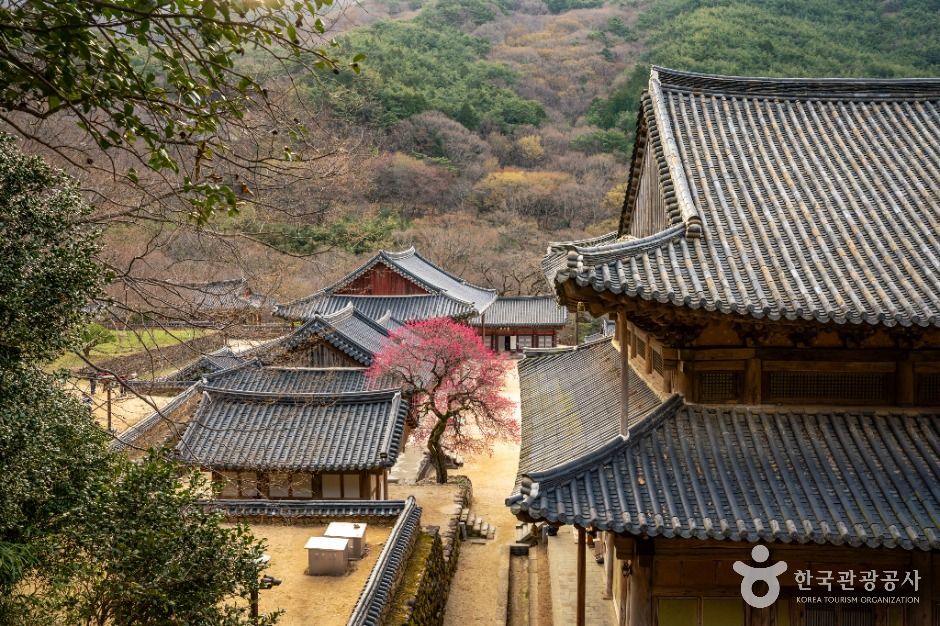
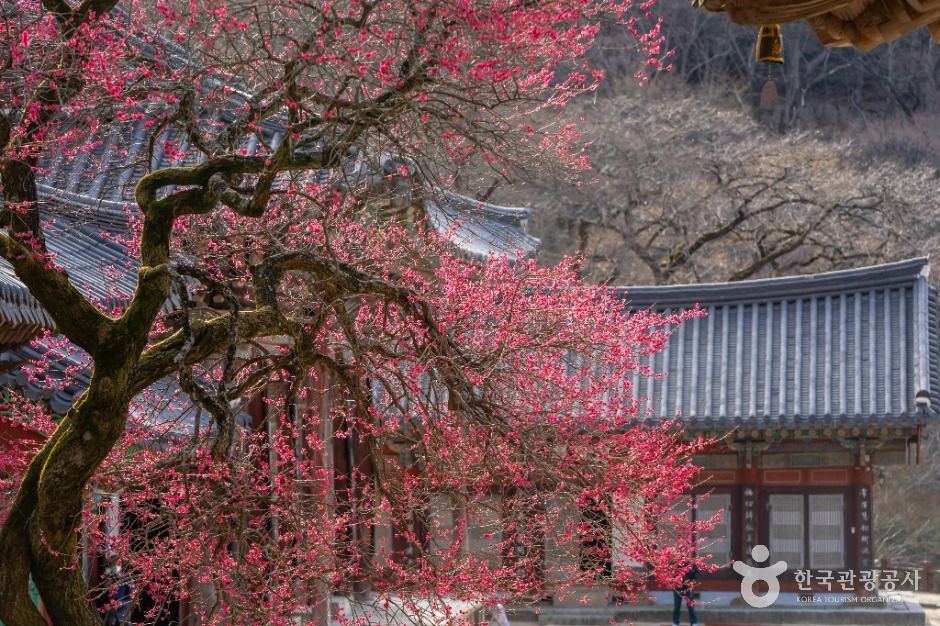
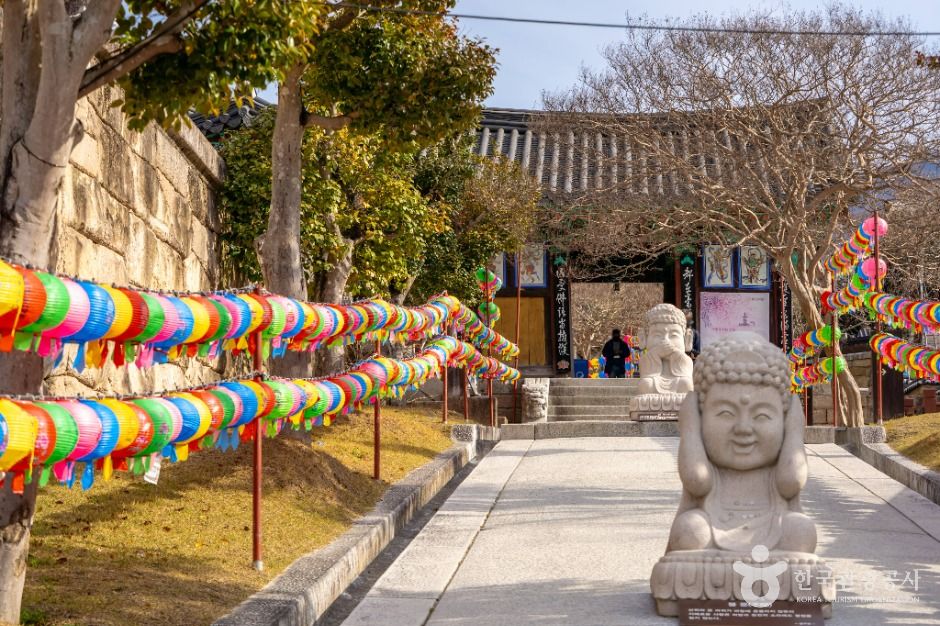
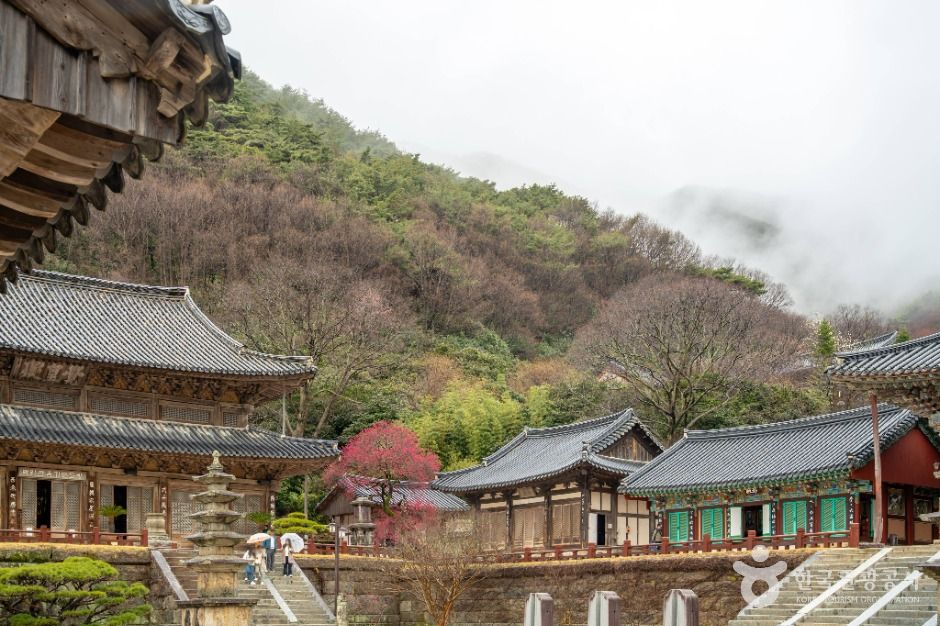
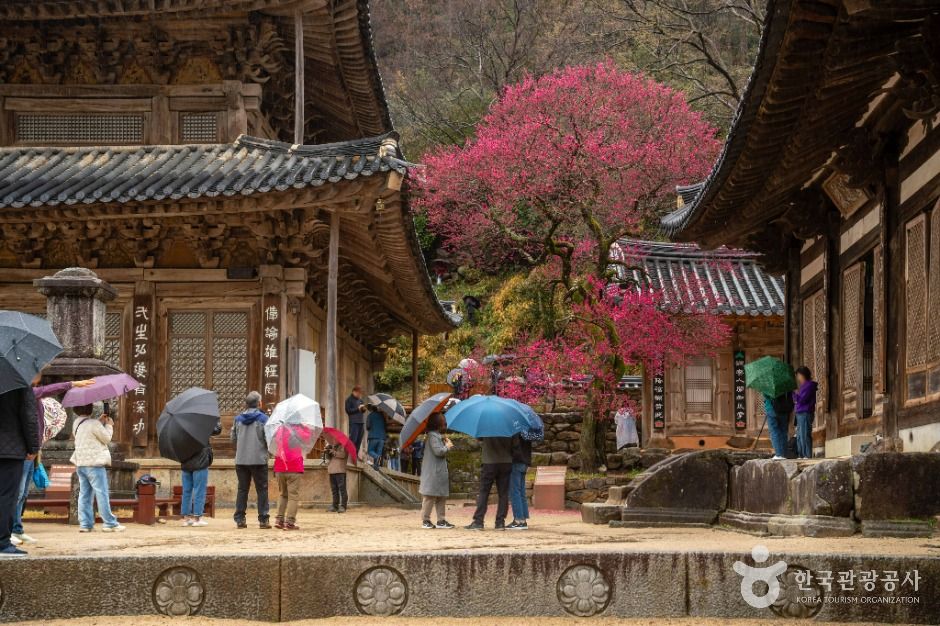
Hwaeomsa Temple is a thousand-year-old temple located at the foot of Jirisan Mountain in Gurye-eup. Founded in 544, the temple originally comprised only two buildings but was later expanded by Monk Jajang in 643 and further expanded by National Preceptor Doseon in 875. After being destroyed by fire during the Imjin War, Seon Master Byeogam began rebuilding the temple in 1630 and completed it in 1636.
Within the temple, numerous cultural heritage sites are arranged, including Gakhwangjeon Hall, four National Treasures, five Treasures, one Natural Monument, and two Local Cultural Heritage sites, along with approximately 20 auxiliary buildings. Among the buildings within the temple grounds, Gakhwangjeon Hall is a highly famous structure designated as a National Treasure. As the largest existing wooden building in the country, its magnificent exterior overwhelms the viewer's gaze. The stone lantern standing in the front courtyard of Gakhwangjeon Hall is the largest in the country, measuring 6.3 meters in height and 2.8 meters in diameter; it is designated as a National Treasure as a work showcasing the brilliant sculptural art of the Buddhist revival period of the Unified Silla period. The Three-story Stone Pagoda with Four Lions, situated on a hill to the left of Gakhwangjeon Hall, is a National Treasure and a masterpiece boasting unique design and sophisticated sculptural crafts. The Hanging Scroll Painting of the Vulture Peak Assembly, located at the rear of the interior of Gakhwangjeon Hall, was designated as a National Treasure in 1997.
Among the treasures within the grounds of Hwaeomsa Temple Temple, the five-story pagodas standing on either side of Daeungjeon Hall are designated as treasures, featuring outstanding sculptural form and delicate decorations that catch the eye as works from the Silla dynasty. Furthermore, Daeungjeon Hall (also a treasure) showcases the excellent artistry of the Joseon dynasty, and numerous scenic spots and breathtaking views are scattered throughout the area, set against the magnificent landscape of Jirisan National Park. Meanwhile, cherry blossom trees are planted as roadside trees along National Route 19 (approximately 35 km) from Hadong to Hwaeomsa Temple; when the cherry blossoms are in full bloom, it becomes a fantastic driving course. With many tourist attractions nearby, such as the Seomjingang River Maehwa Village, Goseong County Park, Jirisan National Park, and Ssanggyesa Temple, it is a place that attracts countless spring visitors.
Homepage
hwaeomsa.or.kr
🗺 Location
539 Hwaeomsa-ro, Gurye-gun, Jeonnam-Gwangju Special Metropolitan City
✏ Details
주차요금
Free (fee applies to large buses)
화장실
Available
한국어안내서비스
사찰문화해설 안내 10:00~16:00구례군관광안내소 061-780-2450로 사전신청(10인 이상/무료)
🔎 Information
Inquiries
+82-61-783-7600
Parking Facility
Available
Closed
N/A (Open all year round)
Opening Hours
00:00-18:00 (Admission prohibited after sunset)